Choosing a web development agency in the USA is one of the most consequential decisions a business can make and one of the easiest to get wrong.
The internet is saturated with agencies that look impressive in a sales call and underdeliver in execution. Flashy portfolios, confident proposals and slick discovery decks are easy to produce. What is far harder to find is an agency that communicates honestly, builds reliably, delivers on time and treats your project with the same care after the contract is signed as they showed during the pitch.
This guide is for business owners, marketing directors and decision-makers who are ready to invest in web development but want to make that investment with clarity and confidence. Whether you are based in New York, Chicago, Los Angeles, or anywhere else in the country, the principles that separate great web development agencies from average ones are the same and this guide will walk you through every one of them.
Your website is not a one-time expense. It is a long-term asset, a sales tool, a brand statement and often the first point of contact between your business and a potential customer. A well-built website generates leads, builds trust, loads quickly, ranks well in search and performs consistently across every device. A poorly built one does the opposite and the damage compounds over time.
Beyond the site itself, the agency relationship determines how smoothly you can maintain, update and scale that asset. An agency that uses proprietary systems, communicates poorly, or disappears after delivery leaves you with a website you cannot manage independently and a dependency you did not anticipate.
The right agency, on the other hand, becomes a genuine business partner. They understand your goals, work proactively rather than reactively and help you extract more value from your digital presence over time.
Getting this decision right is worth the time it takes to do it properly.
The most common mistake businesses make when searching for a web development agency is starting the search before they are clear on what they need.
"We need a new website" is not a brief. It is a symptom. The actual need might be: we need a website that converts more paid traffic into booked consultations. Or: we need an e-commerce platform that can handle ten thousand SKUs and integrate with our existing ERP system. Or: we need a complete brand overhaul, starting with a new digital presence that reflects where the company is headed.
Before you contact a single agency, sit down and answer the following questions:
What is the primary function of this website information, lead generation, e-commerce, or a combination? Who is the target audience and what do you know about their browsing behaviour? What is the timeline and is that timeline flexible or fixed? What is the budget range and is there a long-term retainer component beyond the build? Do you need ongoing SEO, content, or digital marketing support alongside development?
With clear answers to these questions, you will be in a far stronger position to evaluate agency proposals, compare like with like and make a decision based on genuine fit rather than salesmanship.
Almost every agency will lead their pitch with a portfolio. The portfolio is important, but knowing how to read it is equally important.
Look for relevant industry experience: A portfolio full of restaurant websites tells you something very different about an agency's capabilities than one featuring SaaS platforms, healthcare portals, or complex e-commerce builds. You do not need an agency that has worked exclusively in your industry, but you do want evidence that they can handle the complexity level your project requires.
Assess quality across the full portfolio, not just the highlights: Every agency has two or three showcase projects. What matters more is the general quality level across the broader body of work. If a handful of projects look excellent and the rest look mediocre, that tells you something about consistency or the lack of it.
Test the sites they have built: Load them on a mobile device. Click through the user journey. Check load speed using Google PageSpeed Insights or a similar tool. A beautifully designed site that loads slowly, breaks on mobile, or has a confusing navigation structure is a warning sign, not a reference.
Ask about their role in each project: Some agencies present projects in their portfolio where they handled only one component, say, front-end design while the development was handled by a third party. This is not inherently a problem, but it is worth knowing. Ask directly: what was your team's specific role in delivering this project?
Not all web development is the same. The technology choices an agency makes and the reasoning behind them reveal a great deal about how they operate and how much control you will have over your own website after delivery.
Ask about their preferred platforms and frameworks: Do they build on WordPress, Webflow, Shopify, custom React applications, or something else entirely? Each has legitimate use cases. WordPress is highly flexible and widely supported; Shopify is excellent for straightforward e-commerce; custom builds offer maximum control but require more ongoing technical maintenance. What matters is that the agency's platform recommendation is driven by your needs, not by their convenience or the tools they happen to know best.
Ask about proprietary systems: Some agencies build on proprietary content management systems or use custom frameworks that exist only within their ecosystem. This creates dependency if you ever want to move to another agency or bring development in-house, you will effectively be starting from scratch. Avoid this unless there is an extraordinarily compelling reason for it.
Ask about their QA and testing process: How do they test before launch? Cross-browser testing, mobile responsiveness testing, performance benchmarking and security auditing should all be standard components of any professional delivery process. If an agency cannot clearly articulate their QA process, that is a red flag.
Ask about post-launch support: Who handles bug fixes after the site is live? Is there a support SLA (Service Level Agreement) that specifies response times? What happens if something breaks at 11pm on a Friday night? These are not hypothetical questions, they are real scenarios and you need real answers before signing anything.
Technical capability is necessary but not sufficient. The agency's ability to communicate clearly, manage timelines responsibly and keep you informed throughout the project is equally important and often more determinative of whether the experience feels like a partnership or a headache.
Ask how the project will be managed: Will you have a dedicated project manager, or will you be communicating directly with developers? What project management tools do they use, Asana, Jira, Trello, Basecamp? How often will you receive updates and in what format?
Assess their communication in the sales process itself: How long did they take to respond to your initial inquiry? Were their emails clear and organised? Did they listen carefully in the discovery call, or did they spend most of the time pitching? The way an agency communicates before you are a client is usually the best available predictor of how they will communicate once you are one.
Ask for a sample timeline: Any experienced agency should be able to give you a phased project timeline at the proposal stage discovery, wireframing, design, development, testing, launch and handover. Vague timelines that use language like "approximately eight to twelve weeks depending on scope" without further breakdown should prompt more questions.
Ask about revision processes: How many rounds of revision are included? What happens if the project scope changes mid-build? Clear answers to these questions prevent the most common source of frustration in agency relationships: scope creep and the disputes that follow it.
A website that is not built with SEO and performance in mind from the start is a website that will underperform in search regardless of how much content and optimization effort is applied afterward. Technical SEO is not a layer you add on top of development; it is built into the way the site is structured, coded and configured from day one.
When evaluating a web development agency in the USA, ask explicitly: how do you approach SEO during the development process?
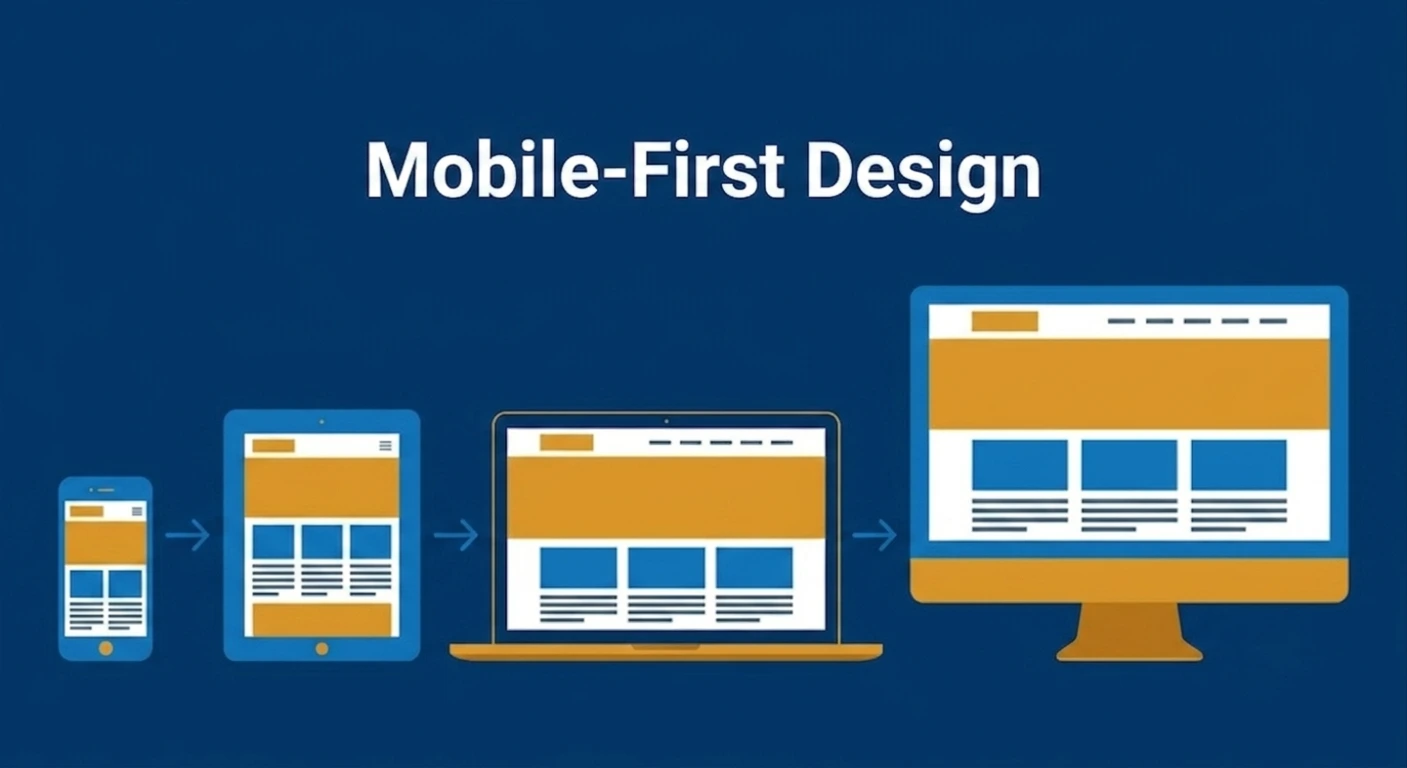
A competent agency will talk about clean URL structures, semantic HTML, proper heading hierarchy, schema markup, image optimisation, Core Web Vitals, page speed, mobile-first design and the integration of analytics and tracking before launch. If an agency treats SEO as entirely separate from development, something the client figures out after the site is built that is a meaningful limitation.
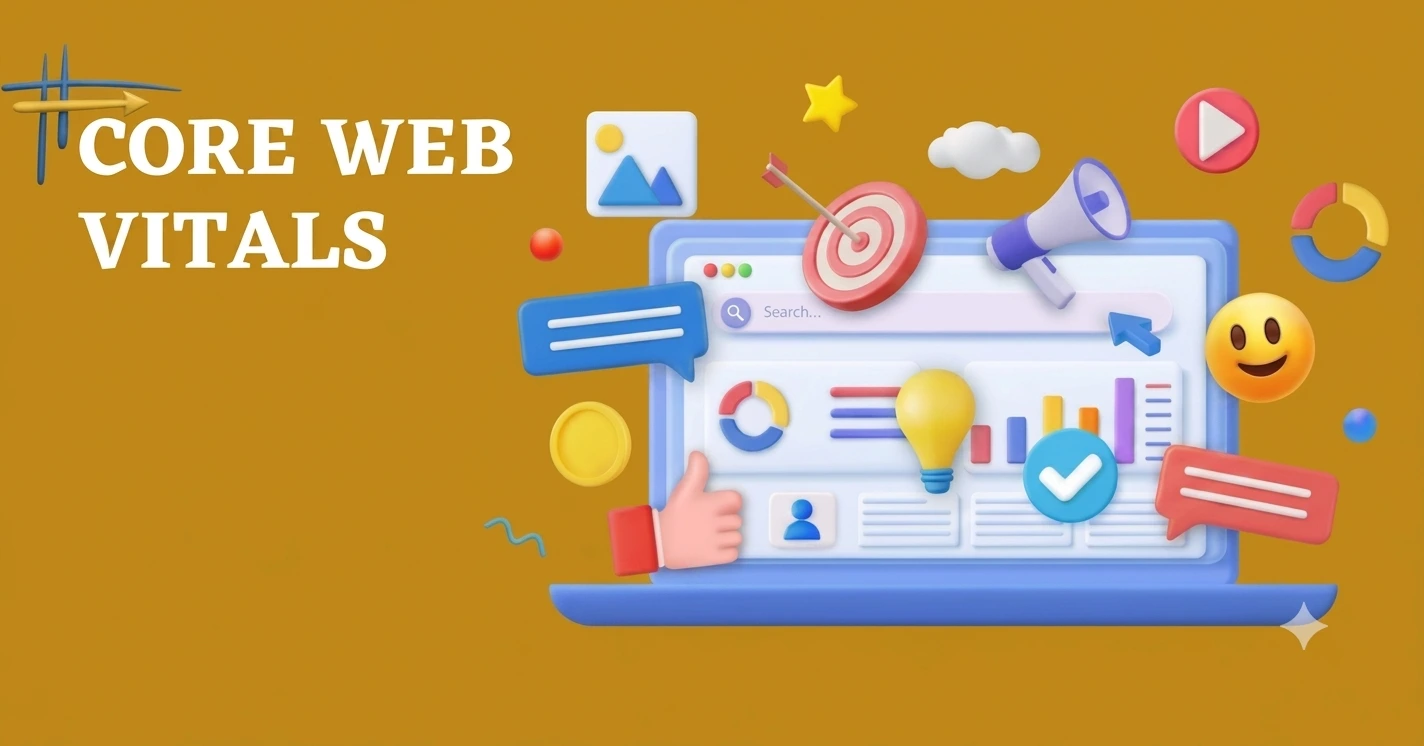
Similarly, ask about their approach to Core Web Vitals: Google's set of metrics that measure real-world user experience, including loading performance, interactivity and visual stability. Sites that score poorly on Core Web Vitals are disadvantaged in search ranking and provide a worse experience for users. An agency that builds with these metrics in mind is building for long-term performance, not just immediate aesthetics.
This is where web development and digital marketing intersect and it is an intersection that IB2Marketing's SEO services team works at every day, ensuring that the sites we develop or consult on are built to rank, load fast and convert.
References and reviews are among the most underused evaluation tools in the agency selection process. Most businesses ask for references; far fewer actually follow through on a meaningful conversation.
Request at least three client references from projects that are genuinely comparable to yours in scale, industry and complexity. When you speak to those references, go beyond "did they deliver on time and on budget?" Ask:
How was communication throughout the project? Were there any significant problems and how did the agency handle them? Did the final product match what was promised in the proposal? Would you work with them again and if so, what would you do differently?
That last question often surfaces the most honest and useful insight.
Check third-party review platforms Google Business Profile, Clutch, G2 and similar directories but read critically. Look for specific detail in reviews rather than generic praise. A review that says "great team, delivered on time, highly recommended" tells you very little. A review that describes a specific challenge, how the agency approached it and what the outcome was tells you a great deal.
Look at the agency's digital presence itself: How does their own website perform? How do they rank for their own keywords? If a web development agency in New York or Chicago cannot build a fast, well-optimised website for themselves, it is reasonable to ask whether they can build one for you.
The legal and contractual dimensions of the agency relationship are often glossed over in the excitement of getting started and that is a mistake that creates serious problems later.
Understand who owns the deliverables: Upon final payment, does full ownership of all code, design assets and content transfer to you? Some agencies retain licensing rights to certain components of the work, which can restrict what you do with the site afterward. This should be explicitly addressed in the contract.
Ask about NDAs: If your project involves proprietary business logic, unreleased product information, or sensitive data, ensure the agency is willing to sign a non-disclosure agreement before any substantive conversations begin. Reputable agencies will have standard NDA templates ready; hesitation around this request is a warning sign.
Review the kill fee and cancellation terms: What happens if you need to terminate the project before completion? What fees apply and what deliverables are you entitled to up to that point? These are uncomfortable questions to ask during the honeymoon phase of a new agency relationship, but they are essential ones.
Understand the payment schedule: Most professional web development agencies in the USA work on milestone-based payment schedules: a portion upfront, a portion at certain project milestones and a final payment upon delivery. Be cautious of agencies that request full payment upfront and equally cautious of any arrangement that puts all financial risk on the agency until final delivery, as this creates incentives that work against your interests.
The best agency relationships extend well beyond the initial build. A website is not a finished product on the day it launches; it is the beginning of an ongoing process of optimisation, content development, performance monitoring and iterative improvement.
When evaluating agencies, ask what happens after launch. Do they offer retainer arrangements for ongoing support, updates and digital marketing? Do they have the capability to support your growth SEO strategy, content production, paid media integration or are they purely a development shop?
For businesses that want a single, integrated partner for their digital presence development, SEO, content and strategy an agency with genuine cross-discipline capability is a significant advantage. It eliminates the coordination overhead of managing multiple vendors and ensures that development and marketing decisions are made with awareness of each other rather than in isolation.
IB2Marketing's web development services are built with this long-term partnership model in mind. We do not hand off a finished site and disappear. We stay engaged, support ongoing optimisation and grow alongside our clients.
No agency evaluation guide would be complete without an honest discussion of the warning signs that should prompt serious caution:
Promises without process: Any agency that guarantees specific outcomes, first-page rankings, a specific conversion rate, a specific number of leads without a detailed explanation of how they will achieve those outcomes is making promises they cannot keep.
Vague or incomplete proposals: A professional agency proposal should include a detailed scope of work, phased timeline, clear deliverables at each stage, a payment schedule and the names of the specific people who will work on your project. Proposals that are heavy on enthusiasm and light on specifics are a sign of an agency that is better at selling than delivering.
Pressure to decide quickly: Legitimate agencies understand that you are making a significant investment and that you need time to evaluate properly. High-pressure tactics such as "this pricing is only available until Friday," "we have another client ready to take this slot" are manipulation, not business practice.
No clear point of contact: If you cannot get a straight answer to "who will be my primary contact throughout this project?", that ambiguity will only grow more problematic once work begins.
Portfolio gaps in your area of need: If you need a complex custom e-commerce platform and the agency's portfolio is entirely composed of brochure sites, that gap matters. Enthusiasm and general capability are not substitutes for relevant experience.
The best web development agencies operating in the USA today share several characteristics that distinguish them from the rest of the market:
They lead with listening, not pitching. They are honest about what they can and cannot do. They have clear, documented processes for project management, QA and delivery. They build with performance, accessibility and SEO in mind from day one. They are transparent about costs, timelines and risks. And they treat the post-launch phase with the same seriousness as the build itself.
Whether you are searching for a top web agency in Chicago, a web development agency in New York, or a developer agency serving the Los Angeles market, these standards apply universally. Geography affects pricing and time zones; it does not change what good looks like.
Choosing a web development agency in the USA is ultimately about more than technical capability or price. It is about finding a team that understands your business, communicates honestly, delivers reliably and is genuinely invested in your success not just during the project, but afterward.
The time you invest in a thorough evaluation process reviewing portfolios carefully, checking references, asking the hard questions about contracts and post-launch support pays dividends many times over in the quality of the relationship and the outcome you receive.
When you are ready to work with a digital partner that brings that level of care, capability and commitment to every project, IB2Marketing is here.
What does IB2Marketing look for in a client before taking on a web development project?
We look for clarity of purpose and a genuine commitment to the long-term performance of the project. The most successful engagements we have had start with clients who can articulate their goals, understand that great development takes time and are open to a collaborative process. We ask detailed discovery questions before proposing anything because understanding your business is a prerequisite to building something that works for it.
How does IB2Marketing approach SEO during the web development process?
SEO is built into our development process from day one, not added as an afterthought. This includes semantic HTML structure, clean URL architecture, image optimisation, schema markup, Core Web Vitals performance targets, mobile-first design and pre-launch analytics configuration. We coordinate directly with our SEO team throughout the build to ensure that technical and content foundations are aligned before the site ever goes live.
Does IB2Marketing offer post-launch support and retainer arrangements?
Yes. We offer ongoing retainer arrangements that cover maintenance, performance monitoring, iterative optimization, content updates and integrated digital marketing support including SEO and paid media. We believe the launch of a website is the beginning of the work, not the end of it and our retainer model reflects that philosophy.
How transparent is IB2Marketing about project timelines and costs?
Completely transparent. Every proposal we issue includes a phased project timeline with specific milestones, a detailed scope of work, a clear payment schedule and the names of the team members who will be working on your account. If something changes mid-project that affects scope, timeline, or cost, we communicate that immediately and in writing never after the fact.
How is IB2Marketing different from other web development agencies in the USA?
The most meaningful difference is the integration of development and digital marketing under one roof. Most web agencies hand off a finished site without any ongoing marketing capability; most marketing agencies are not equipped to build at a technical level. IB2Marketing does both which means the sites we build are designed to perform searches, convert traffic and support long-term growth from day one. Clients do not have to manage separate vendors or bridge communication gaps between teams that do not talk to each other.
A Performance Marketing Company Delivering Results-Driven Solutions For Businesses


Have a question? We’d love to hear from you. Send us a message and we’ll get back to you as soon as possible.
Send 609-596-5511